

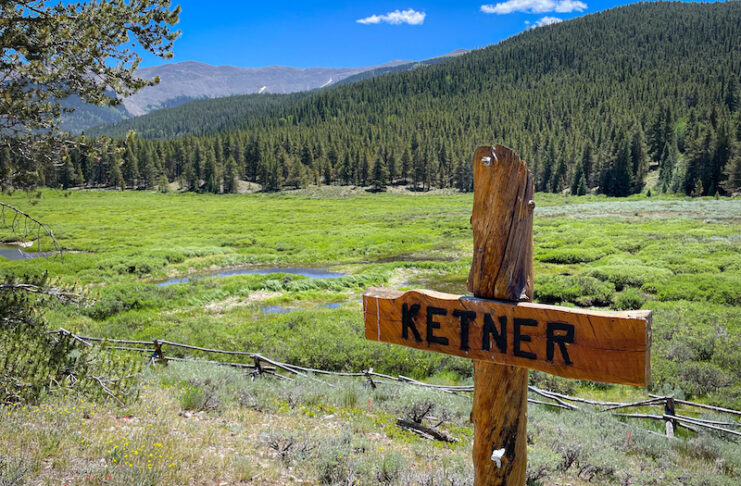
In the most remote part of one of Colorado’s most remote non-ghost towns (it technically doesn’t qualify), you’ll find one of the most interesting historic cemeteries in the state. For those familiar with Tincup whiskey, you may know that its namesake is a small, old mining town in Gunnison County just west of the Continental Divide.
Tincup, also sometimes spelled as Tin Cup, was incorporated as a city in 1880 during the gold and silver rush, and there are several versions of how it came by its name. Each story involves a prospector, a tin drinking cup and some gold flakes, so feel free to put those concepts in any order you like and make up your own version.
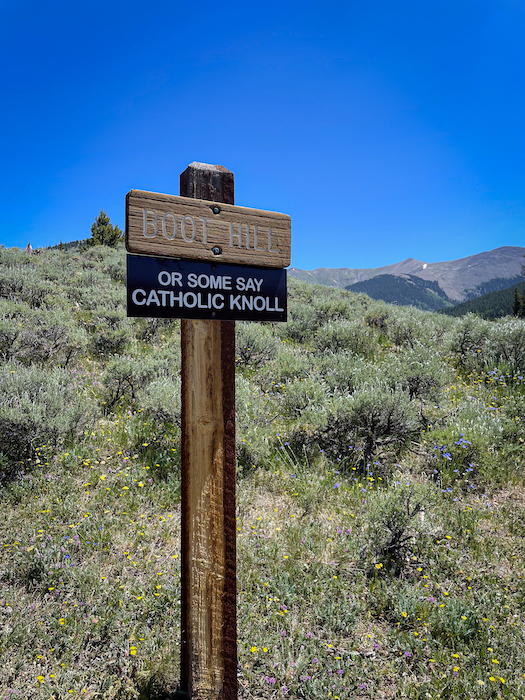
While you’re at it, you could throw a dart at the words saloon, shot, infant and mining accident and whichever you hit would sadly cover how most of the people buried in the Tincup Cemetery died. Modern records have documented many of the resident graves, but the exact number of people buried here is eerily unknown. They are spread out between four separate knolls: Catholic, Jewish, Protestant and Boot Hill.
Boot Hill serves as the resting place for the town’s outlaws and most notorious characters, like “Black Jack” Cameron whose missing wooden marker is said to have read: “Here Lies Black Jack Cameron / He Held Five Aces.”
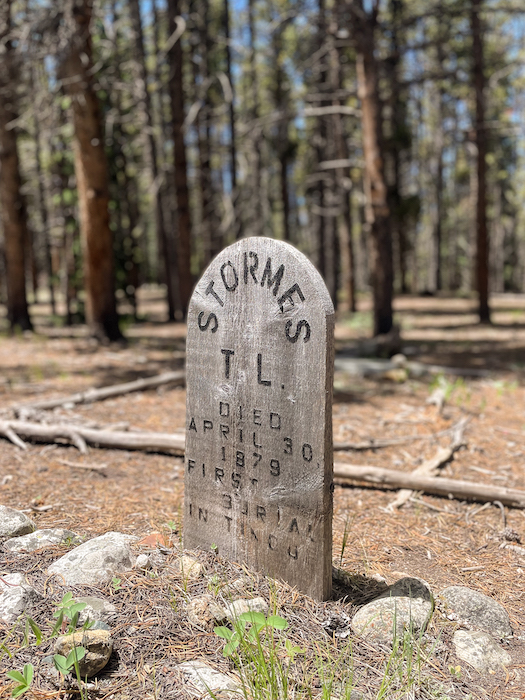
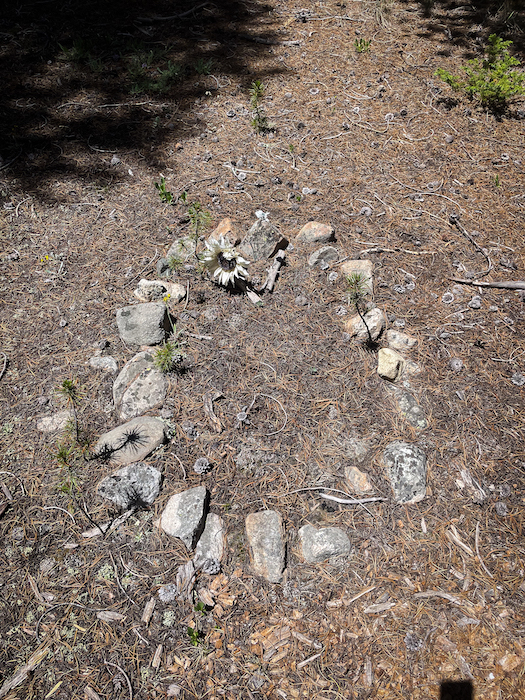
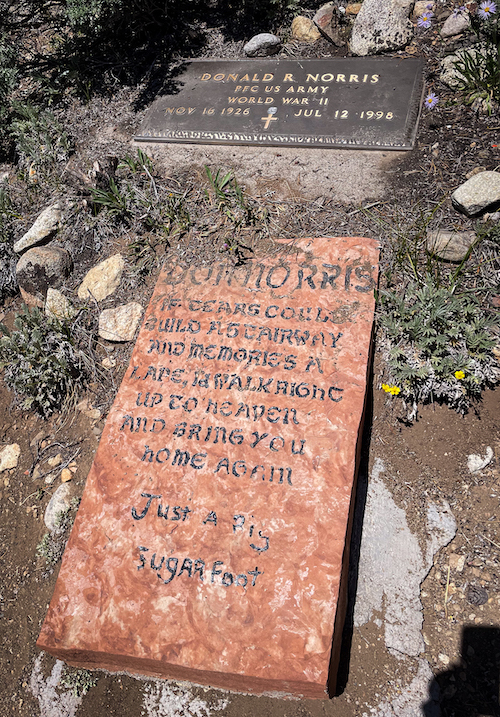
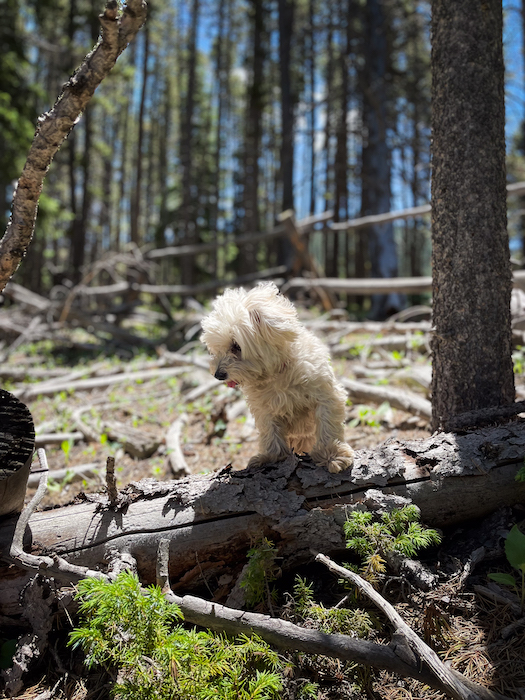
My pup, Ross, and I were on a weekday camping getaway over the summer, and at the urging of some locals at Taylor Reservoir, we paid this historic cemetery a visit. The earliest “resident” was buried in 1879, and T.L. Stormes’ headstone is made of now-weathered wood. Other headstones range from extremely primitive (just sticks and stones) to quite sophisticated, like the modern markers meant to look like a beekeeper’s brood box.
To a perfectionist, this cemetery will seem quite chaotic. There are no neatly spaced rows or order or even a complete list of anyone who’s been buried here, even those added since 1992. To me, however, it’s kind of perfect. I wouldn’t mind my ashes being scattered here — but no rush.
My father died when I was 13, and he is buried in a cemetery in Memphis just off a busy highway that spans many acres. Every headstone there is organized into perfect rows. Each headstone has a flower vase that the groundskeepers keep filled, and the grass is always the perfect length. There are very few trees there, and it’s hard to feel safe having an intimate moment when you can see everyone for miles around and hear cars rushing by.
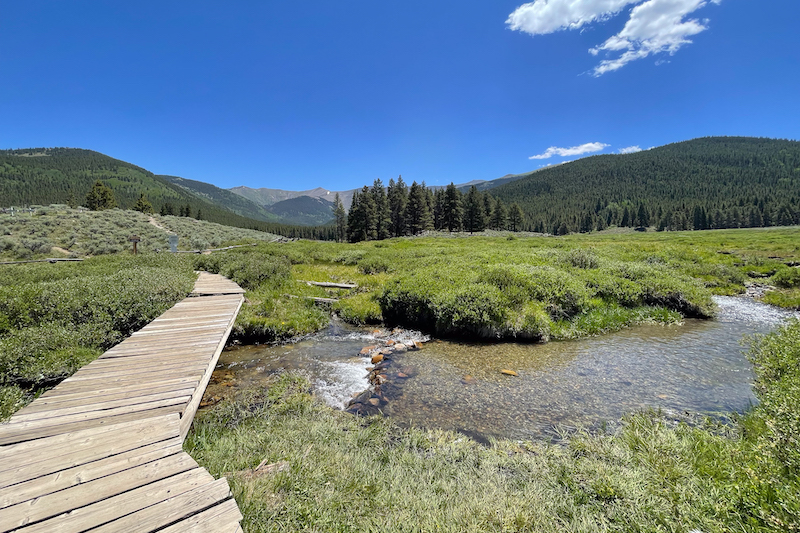
Tincup Cemetery is different. There are plenty of nooks and crannies and trees and few visitors (I saw three people). The views are breathtaking: flowing creeks, snow-capped mountains and lush green valleys. There are safe places to feel things. If my loved one was buried here, it would be a more spiritual experience to come visit and pay my respects. But Tincup Cemetery reminds me that life isn’t trimmed perfectly; it isn’t neatly organized into the ideal rows we hope for. It doesn’t always offer us the flowers we deserve at the time we deserve them. Why should death be any different?
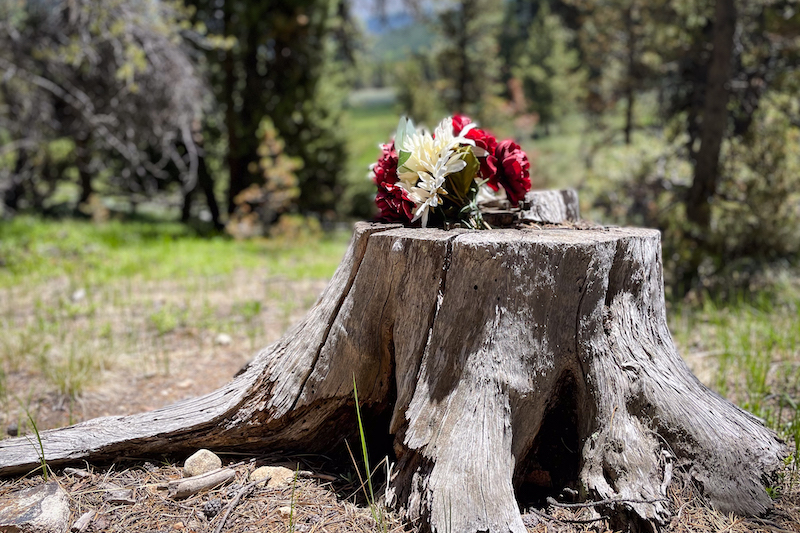
For me, it was comforting to be in a more disheveled post-life environment, surrounded by the hearts and bones of people who are buried in an environment similar to most of their lives: chaotic, unorganized, unexpected and absolutely beautiful.
How to Find the Tincup Cemetery
Don’t call Tincup a ghost town. The few year-round and summer residents don’t like it. Their historic cabins are mostly restored, along with the Town Hall that doubles as a church. And there’s even a general store, bar and one charming local restaurant called Frenchy’s. The tiny town sits at 10,158 feet and can be reached from late spring to early fall in most vehicles. Most visitors come during the summer months, with many exploring its many dirt roads on ATVs.
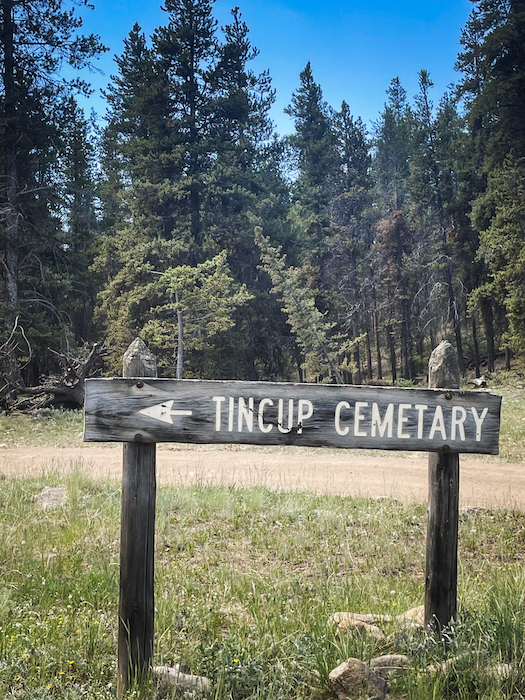 From Colorado Springs, it’s about a 3-hour drive f on Highway 24 and crossing the Continental Divide via the paved Cottonwood Pass. Four-wheelers can also follow the rugged Tincup Pass from Nathrop or Cumberland Pass from Pitkin. Multiple signs will direct you to the cemetery as you near the town.
Enjoy More Photos of the Tincup Cemetery

Read about more local Halloween history in Spooky Celebrities of Colorado Springs and RIP: Rest in Peace Emma Crawford.


