

In 1916 — two years before the grand opening of his hotel, The Broadmoor — philanthropist and now Colorado Springs household name Spencer Penrose received a rather unique gift: a bear. It was the seed of what we now know as the Cheyenne Mountain Zoo.
Penrose formed the Cheyenne Mountain Zoological Society in 1926 to house his lively animal collection (which by then had outgrown his ranch and hotel), and after years of development, in 1938 made a critical change: He deeded the zoo as a nonprofit public trust to the people of Colorado Springs, protecting it for generations to come.
“Nearly a century later, that extraordinary act of foresight and generosity continues to guide everything we do on this mountainside,” says Dave Ruhl, president and CEO of Cheyenne Mountain Zoo.
Zoo Evolution
Over the past few decades, the zoo has hit its stride as one of the most respected organizations in the profession, says Ruhl, who joined the zoo in 2020 and became president and CEO in June.
“We don’t settle for the status quo,” he says. “We challenge ourselves to design animal habitats that push the profession forward, raising the bar for animal care, innovation and meaningful guest connection across the zoo community.”
The scope of work involves everything from creating and maintaining engaging animal habitats and programming to preserving or restoring historic attractions such as the carousel. The through line for Ruhl is making close connections with the animals and supporting their wild conservation, while leveraging and supporting the passionate staff that drive those efforts. That means exceptional animal care, meaningful conservation and authentic community connections.
Annual events such as Boo at the Zoo, Electric Safari, the Run to the Shrine and Tails, Tunes and Tastes are some of the most popular outcomes. So are the camps, classes and custom animal experiences that are the first introduction to the zoo for many kids.
“For me, Cheyenne Mountain Zoo has always been more than a place where animals live,” Ruhl says. “It is a place where people connect with the natural world, where children see wildlife up close and begin to care about its future, and where dedicated teams devote their lives to giving animals extraordinary care. There is something special about this mountainside and the community that gathers here.”
Conservation Goals and Success Stories
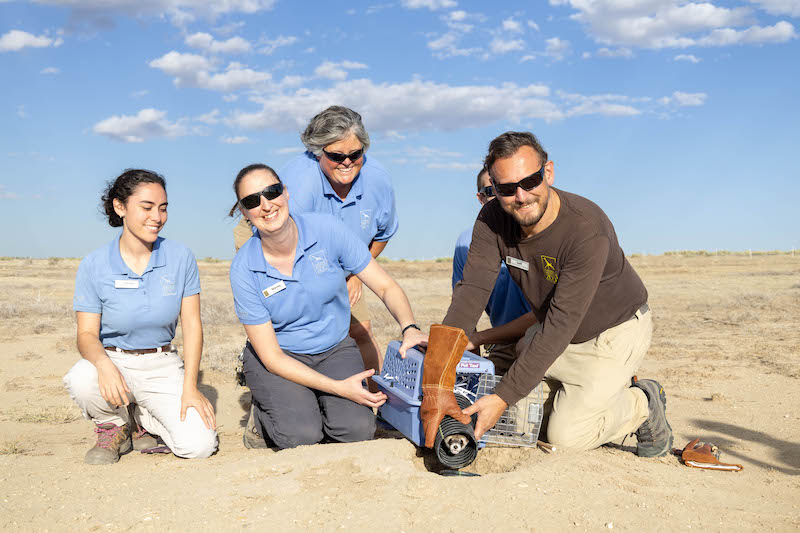
The zoo’s multidecade commitment to preserving local prairie species — including the black-footed ferret and Wyoming toad — is supported by the Quarters for Conservation program, where visitors support the on-site breed-and-release programs for both species.
More recently, that local-focused conservation work has expanded to include black bears and grizzly bears. The zoo now hosts two eight-month-old grizzly bear cubs — and you can help name them.
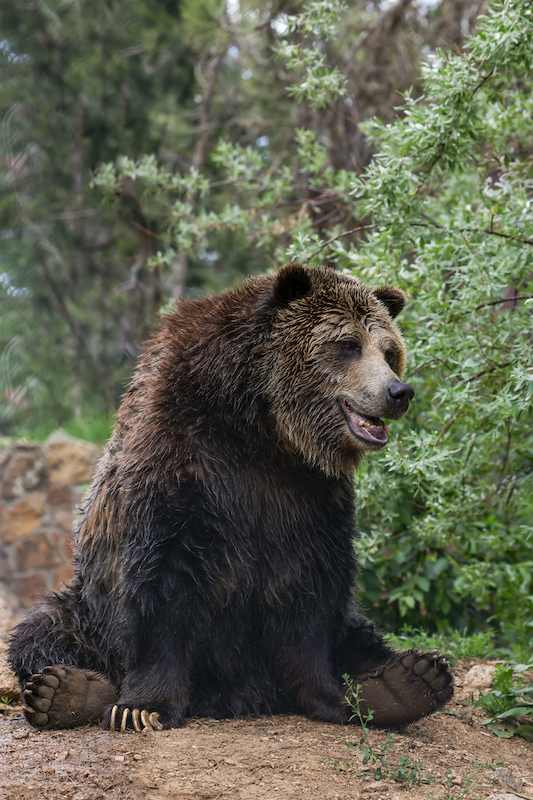
For a $5 minimum donation that supports The Vital Ground Foundation’s work to protect and restore North America’s wild grizzly bear populations, you can help choose between three name options for the pair: Meadow and Forrest, Scout and Ranger, or Aspen and Yarrow.
Leading conservation and sustainability efforts by example is also a focus, with increased sustainable and recycled offerings in the gift shop, a commitment to sustainable and ecologically friendly construction methods throughout the zoo, and continued water usage reduction.
“We’re always looking for ways to make it easy for our supporters to participate actively in conservation efforts,” Ruhl says. “I think conservation starts with caring, and people care most about what they know and what they’ve experienced. Every time a guest meets an animal up close, learns its story or falls in love with a species, we have an opportunity to create a future conservationist.”
The New Giraffe Center and Beyond
Over the summer, Cheyenne Mountain Zoo became the first zoo in the history of the Association of Zoos and Aquariums to earn back-to-back completely clean accreditation inspections (2021 and 2026).
“Independent experts examine virtually every part of the organization,” Ruhl says. “They did not go easy on us. They asked hard questions and looked closely. One clean inspection is rare. Two in a row had never happened.”
The zoo is in the process of building three plans at once: a Strategic Plan to define the desired impact of the zoo, a Master Plan to shape the physical presence of the zoo, and a Culture Development Plan that will define how the work of the first two gets done.
“We are growing the roots that will support Cheyenne Mountain Zoo for its next 100 years,” Ruhl says. “Our animals will never read our strategic plan. Our guests will never see our organizational chart. They experience our people.”
The most prominent sign of where the zoo is headed is the brand-new International Center for the Care and Conservation of Giraffe, which will open in the coming weeks.
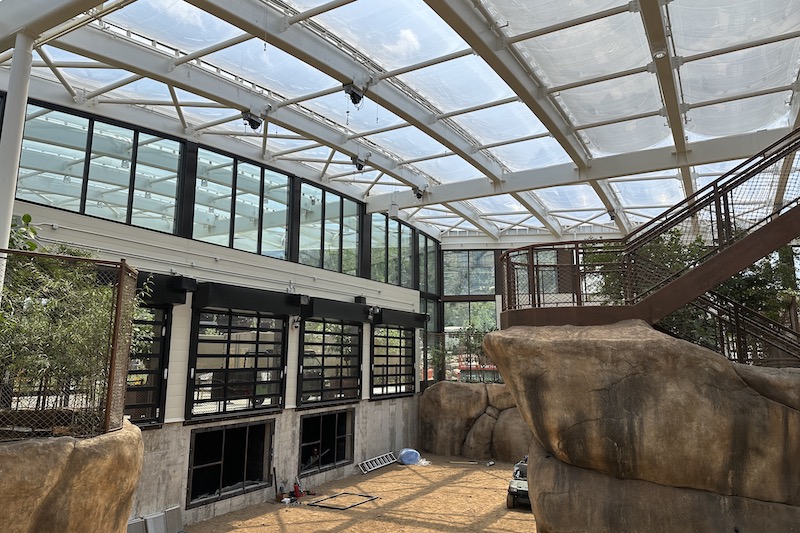
One of the first features guests will notice is its roof, made of ethylene tetrafluoroethylene, a durable and highly translucent alternative to glass. It will let in sunlight and moonlight, giving the giraffes plenty of natural light while also letting staff tackle an important goal: growing trees. The trees, partially covered by mesh, will encourage hungry giraffe to use them like a puzzle feeder.
“One of our goals was to make sure that our giraffes were doing species-appropriate behavior, which for giraffe is eating 17 hours out of the day,” says Director Amy Schilz.
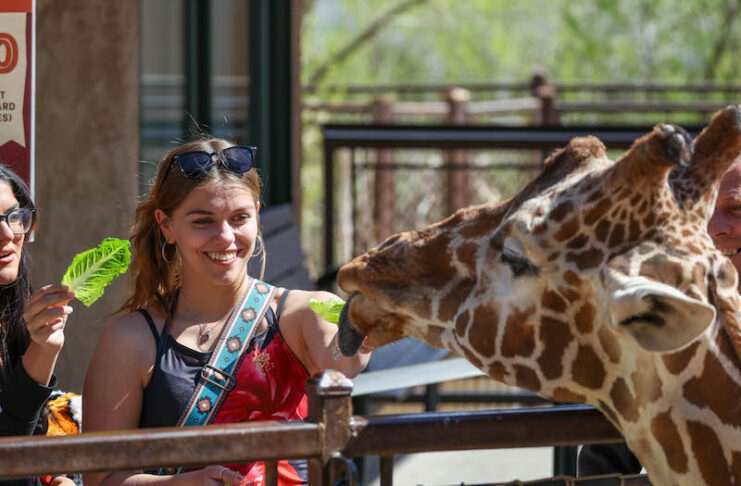
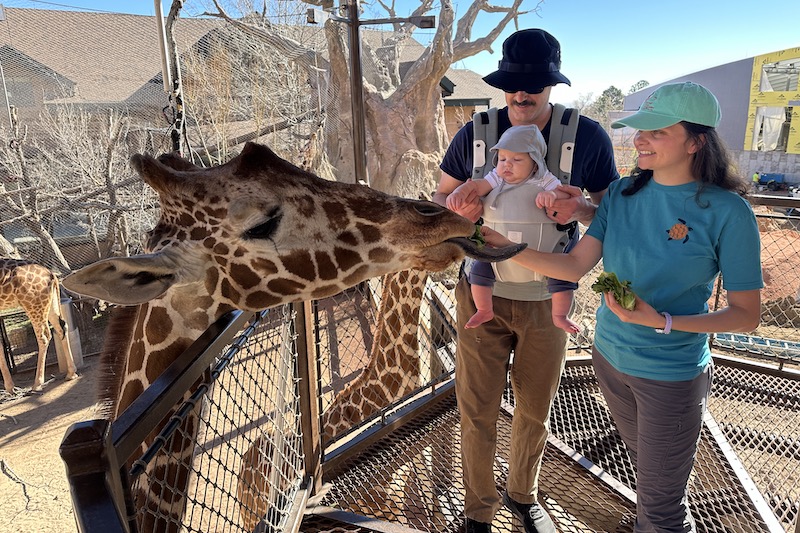
And 11 strategically placed guest feeding stations will encourage giraffe movement. Longtime guests will remember feeding the herd rye crackers. As the zoo’s popularity and attendance increased in the 2000s, so did the number of high-calorie crackers the herd received. To help the giraffes maintain healthy weights, the zoo transitioned from crackers to lettuce. The newest offering will be one of giraffes’ favorites snacks: browse, which is twigs from tree branches. Staff hope browse will encourage giraffe to browse, or explore their new spaces by following guests to multiple feeding locations.
The existing barn will still be used for important tasks such as hoof care. Zoo staff have been working for weeks to encourage the giraffe to acclimate to the new space and have even placed bets as to which giraffe will go through to the new habitat first.
“This barn was designed to specifically keep giraffe busy and entertained all day and all night long,” Schilz says.
Watch this video to learn more about the giraffe barn.
Cheyenne Mountain Zoo Fun Facts & Surprising History
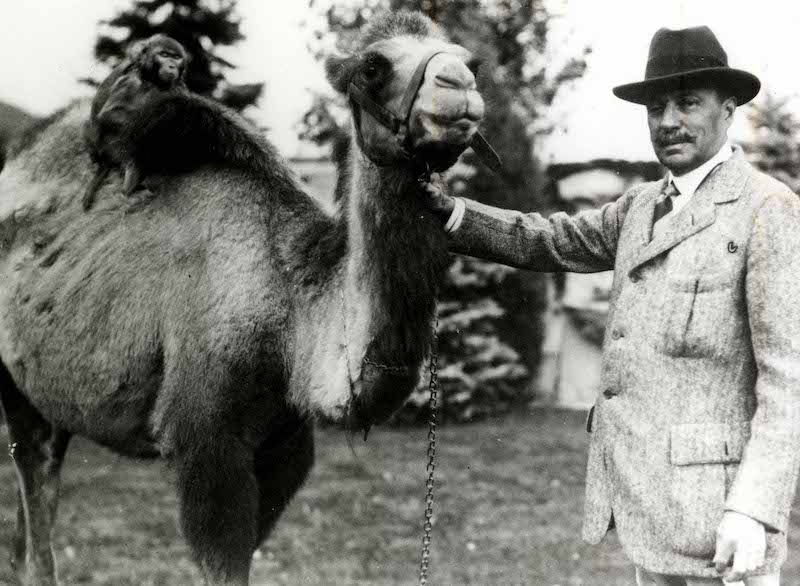
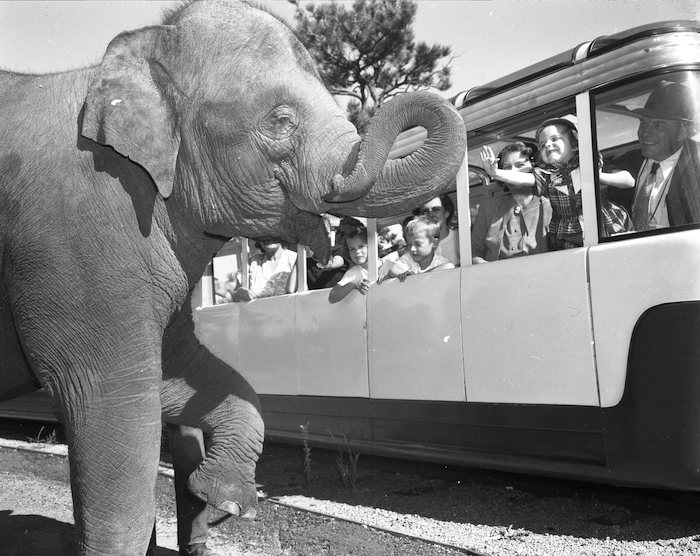
- In the early 1900s, as zoos shifted from menageries to places where the public could learn about the natural world, handlers would walk primates as a form of exercise, giving guests a chance to connect closely with the animals. Today, handling primates except when medically necessary is widely discouraged under accredited zoo welfare standards.
- By the mid-2000s, natural behavior training became a hallmark of Cheyenne Mountain Zoo. Focusing on understanding animal behavior, using positive reinforcement, and creating animal demonstrations that showcased their natural abilities became cornerstones of the zoo guest experience.
- Cheyenne Mountain Zoo is one of only a handful of Association of Zoos and Aquariums-accredited zoos in the nation that operates without local tax support. Animal care, conservation, improvements and operations are entirely funded by admissions, memberships, programs and donations. Over the past two decades, more than $30 million has been raised from individuals, foundations and corporations to replace or repair outdated zoo facilities and exhibits.
- The Zoo’s Quarters for Conservation program allocates 75 cents from every guest visit and $25,000 from memberships directly to conservation efforts around the world. The program, now embraced by many zoos across the country, has raised more than $6 million.
- 842,156 people visited the zoo in its 2025-2026 fiscal year.
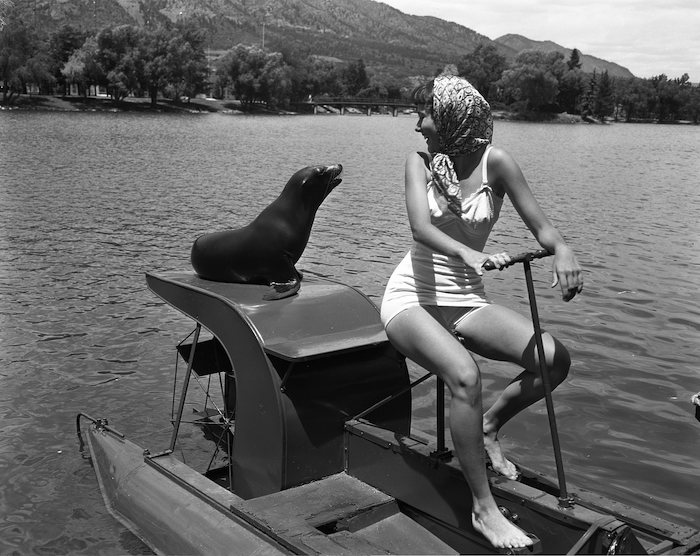
- Spencer Penrose’s first wild animals, which arrived during construction of The Broadmoor, were a black bear and a small herd of black-tailed deer and elk. He managed a herd of cattle at his ranch in Turkey Creek, about 20 miles south of the hotel site. For the first few years, the hoofstock were kept in pastures at Turkey Creek Ranch and cages were built at The Broadmoor golf course to house the more charismatic This close association with the hotel sparked a long-standing misconception that Penrose’s zoo, later Cheyenne Mountain Zoo, was owned by The Broadmoor.
- By 1927, Penrose’s exotic animals were relocated from The Broadmoor golf course to what by then was the zoo, not because of a notorious monkey bite as some histories claim, but to make way for a major golf tournament at The Broadmoor.
- In 1927, Charles L. Tutt Jr. brought two sea lions from the San Diego Zoo to The Broadmoor. They stayed in Broadmoor Lake while their zoo habitat was built. When the first elephant barn was completed in 1928, the sea lions moved there for winter and spent summers in pools built beside the barn.
Learn more about the history of the zoo here and see a comprehensive timeline of events here.
Find more details and plan your visit at cmzoo.org.


