


Colorado gardening is its own discipline. In Colorado Springs we sit at over 6,000 feet, in a semi-arid climate, on soils that range from rocky to stubbornly clay-heavy, under skies that can swing from sunshine to softball-sized hail in 20 minutes. If that sounds intimidating, it is. But the gardeners I have come to know across the Front Range are some of the most creative and generous people I have met. The landscapes they build — native meadows, terraced vegetable beds, xeric (low-water) front yards bursting with color — are testament to what’s possible. Regardless of how green your thumb may be naturally, here are five tips to help you grow a healthy garden or landscaping in Colorado Springs.
1. Choose Native Colorado Plants That Actually Want to Live Here
The biggest favor you can do for yourself, and your water bill, is to plant varieties naturally suited to the Front Range. That means leaning hard on xeric and prairie-native species: blue grama grass, salvia, blanket flower, yarrow, Russian sage, rabbitbrush, serviceberry, pines and junipers. Plant Select, the program run by Colorado State University and Denver Botanic Gardens, maintains an excellent list of varieties proven to thrive here.
Native and xeric plants are not a compromise on beauty. A well-designed xeriscape can be every bit as lush and colorful as a traditional landscape, and it will pull pollinators, songbirds and the occasional curious hummingbird into your yard.
Lean on local landscape designers to help you design your landscape and local nurseries to find the right varieties.
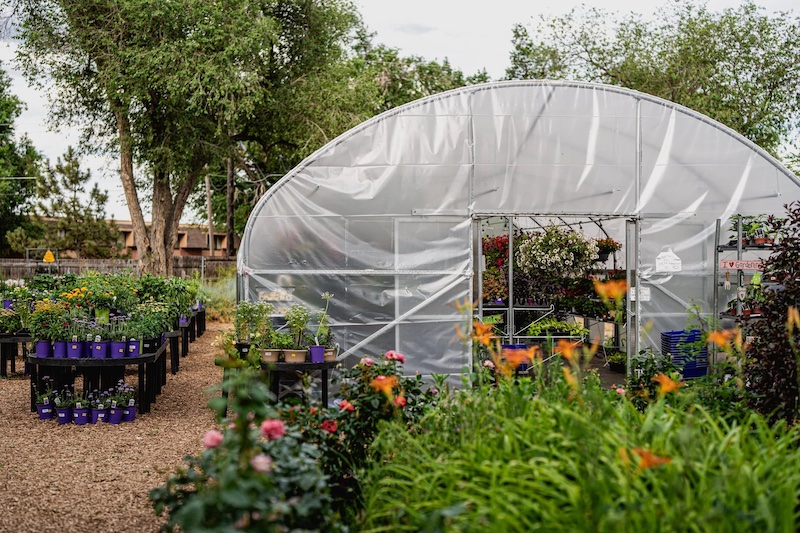
Some favorite Colorado Springs garden centers include:
The Springs People’s Choice award winners for Best Landscaping/Lawn Care Company are:
2. Expect the Weather to Have Opinions
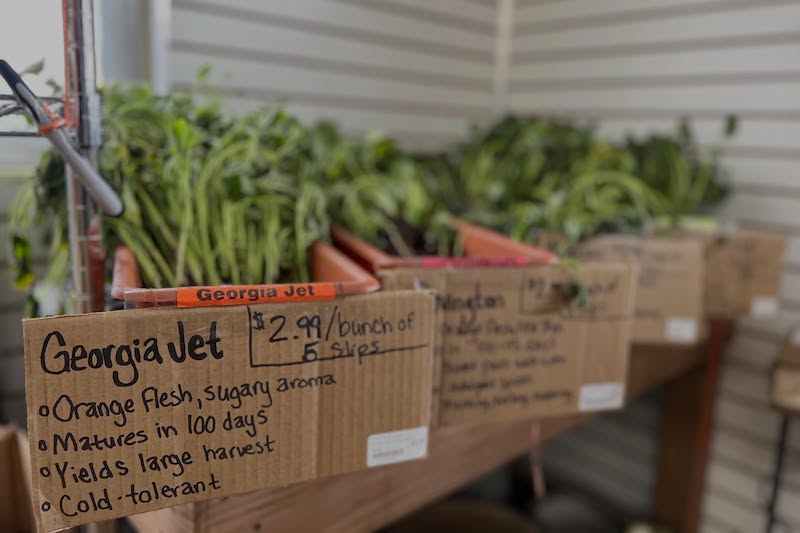
Colorado weather does not negotiate. Our average last-frost date hovers around mid-May, but I have seen snow on Memorial Day — and that might follow 80-degree days in February. First frost can arrive as early as mid-September or as late as Halloween. Planting too early may be the biggest mistake of first-time Colorado gardeners.
And then there is hail, the great equalizer of Front Range gardeners, capable of shredding a tomato patch in a single afternoon. Plan for it. Keep frost cloth or old bed sheets on hand all season. Locate your most vulnerable plants where they have some overhead protection. Consider hail netting for vegetable beds during peak storm season in June and July.
Patience and protection are your best virtues here. Do not plant tender annuals too early. Waiting till Mother’s Day to plant flowers or a garden is a common rule of thumb. Sometimes even that can be too soon, but some cold weather vegetables, such as beets, broccoli and carrots, can be planted earlier. Many Colorado gardeners also start seedlings indoors and transplant them after the last freeze. Local garden centers can be great resources on timing, offering time tables such as this one from Phelan Gardens.
3. Respect the Arid Climate
Colorado Springs receives roughly 16 to 17 inches of precipitation in a typical water year. Much of the eastern United States sees two to three times that. Add intense sun, low humidity and persistent wind, and the result is a landscape that loses moisture quickly without natural replenishment.
Smart watering is not just an environmental issue. It is also about plant health. Drip irrigation is dramatically more efficient than overhead spray, delivering water directly to the root zone. Mulch generously: 3 to 4 inches of wood mulch around shrubs and trees can cut evaporation significantly. Group plants by water need, a principle called hydrozoning, so you are not overwatering your xeric plants to keep your thirstier ones alive. And water deeply but less frequently to encourage roots to grow downward.
Here are some helpful water wise tips from Colorado Springs Utilities.

4. Get to Know Your Soil — Then Improve It
Much of the Pikes Peak region sits on dense clay, often with a high pH and low organic matter. It is the kind of soil that turns into concrete when dry and a sticky paste when wet. For native and xeric plantings, this is workable. For a productive vegetable garden, it is a nonstarter without serious amendment.
Start with a soil test. The CSU Extension office offers affordable testing that will tell you exactly what you are working with. Then amend generously and continuously. Compost and composted manure are the gardener’s best friend here. Work 2 to 4 inches of quality compost into the top 6 to 12 inches of soil before planting and top-dress with more each season.
For vegetable gardens, many local growers eventually move to raised beds filled with a custom soil blend. Doing so sidesteps the clay problem, allows targeted watering and warms up faster in spring. Treat soil-building as the long game it is, an ongoing practice rather than a one-time project.

5. Stay the Course
Here is the truth no one tells you at the garden center: You will lose plants. A late freeze will get your peppers. A summer hailstorm will flatten your zinnias. The deer will find your tulips; the rabbits will find your lettuce; and at some point you will stand in your yard wondering why you didn’t just pave the whole thing.
Keep at it and surround yourself with encouraging garden friends. Every successful Colorado gardener I know got that way through trial, error and a willingness to try again next season.
Visit the Horticultural Art Society Garden in Monument Valley Park. Stop by the Colorado Springs Utilities Demonstration Gardens. Talk to the neighbor with the spectacular front yard; they almost certainly want to share what they have learned. Join a community garden. The Colorado Master Gardener program and CSU Extension are gold mines of locally relevant knowledge.
Gardening in Colorado is not easy, but that is part of why a garden here feels so earned. Every thriving landscape in town represents someone who paid attention, adapted and kept going. As someone who has the privilege of helping people find their place in this region, I can tell you that planting something and tending it is one of the surest ways to feel like you belong here. Welcome home. Now go get your hands dirty.
Looking for flowers? Read our feature about Dutch Heritage Gardens massive greenhouses and annual plant sale coming up soon.


