

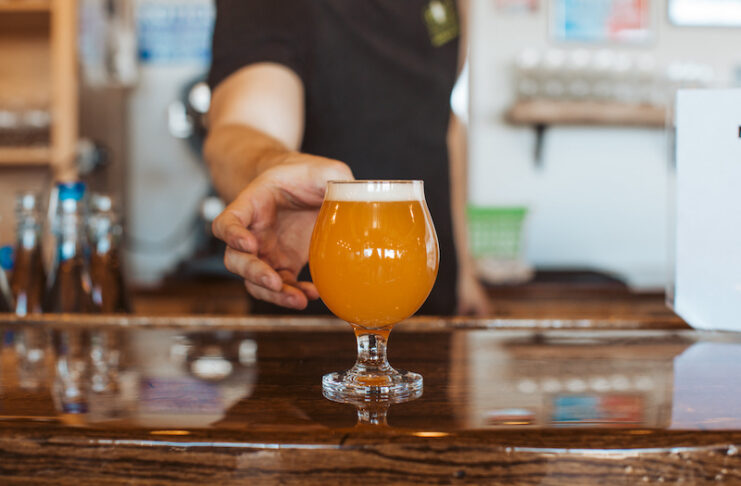
Is there such a thing as too much beer? While your physician might say yes, it seems that the Colorado Springs community doesn’t think so.
Though national trends show that alcohol consumption has fallen to near record lows, with a shrinking share of adults drinking and overall volume declining in recent years, the shift is less about abstinence and more about behavior. Americans, especially younger consumers, are drinking less often, choosing different products, and prioritizing more intentional, experience-driven occasions.
“Colorado is one of the most mature craft beer industries in the country, and we are not immune to the national trends,” says Shawnee Adelson, executive director of the Colorado Brewers Guild. “Colorado saw a decline in overall beer sales in 2025; however, we continue to see interest in quality over quantity, where drinkers are choosing premium, locally crafted pints over mass-produced alternatives.”
In 2024 the overall volume of craft beer declined, but its retail dollar sales increased about 3% to $28.8 billion, according to the Brewers Association 2024 U.S. Craft Brewing Industry Figures. Nationwide craft beer production declined again in 2025 by 5%, but craft beer outperformed the overall beer industry, ticking slightly upward to 13.3% of the beer market share, according to the Brewers Association.
According to Colorado Guild data, Gen X [born between 1965 and 1980] remains the industry’s loyal backbone, while Millennials [the 30- to 45-year-olds] are driving the demand for unique high-end beers and nonalcoholic options. “Every generation is finding a fresh new way to love craft beer,” Adelson says, countering the narrative that younger generations don’t drink.
“While Gen Z is more sober-curious than the other generations, they are the primary group driving growth in flavored and low-ABV beers,” she adds. Though not all hope is lost on this younger generation, many of them are not yet old enough to drink legally and some haven’t developed the taste for craft beer yet.
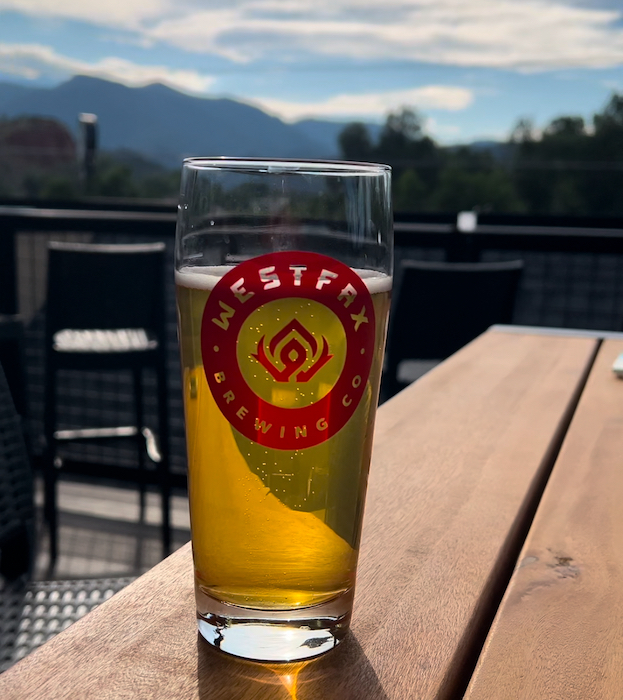
What About Colorado Springs?
The Colorado Brewery List lists 31 local breweries in Colorado Springs of a reported 400-plus in the state. How do the Colorado Springs owners and brewers see the state of craft beer?
“Pretty good.”
“Exciting.”
“Struggling.”
“Strong ”
“Recalibrating.”
And they’re not wrong. Colorado Springs has seen a handful of notable beer obituaries recently, including FH Beerworks, Trinity and Metric. And Rock Bottom Brewery announcing closure after a 20-year run earlier this month.
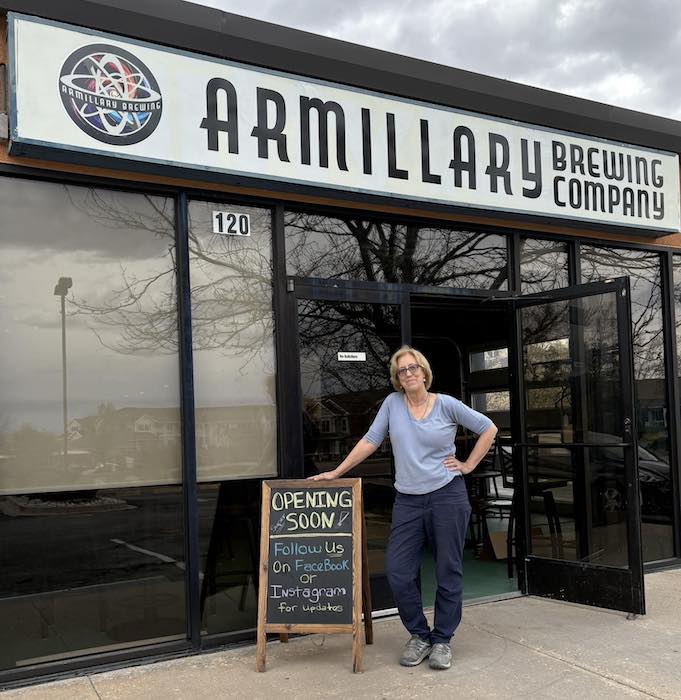
At the same time, several long-term breweries have expanded (or are in the process) or added locations. Breweries from elsewhere in the state have opened additional locations in the Springs, such as 105 West at Garden of the Gods filling the former Trinity Brewing space. And a brand-new brewery, Armillary Brewing, is planning its opening late April. All of this activity seems to point to a local hunger — or should we say thirst — for craft beer.
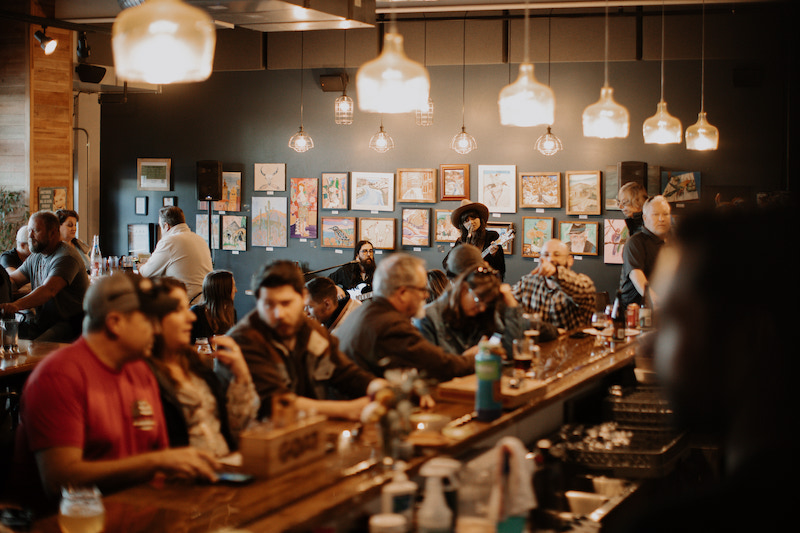
Brewery as Third Space
It’s not just beer that locals crave. While quality, variety and consistency remain important, what people increasingly seek is a place to grab a drink but also connect, linger and feel part of a community.
“Breweries and bars are so much more than just places to drink and spend money,” says Andrew France, owner and head of operations at Lost Friend Brewing Company, one of the breweries with an expansion in the works. “There’s so much culture and community that is built at these places. That ability to bring people together is something our society is losing quickly. It makes the places that foster that sense of community and inclusiveness so much more vital.”
Anthony Martuscello, founder and president of WestFax Brewing — who opened their Colorado Springs location in July 2024 — echoes the sentiment: “The biggest shift is that breweries are no longer just competing on beer — they’re competing on experience. Colorado Springs still has room to grow, but it’s not enough to just open your doors. You have to give people a reason to come in and a reason to come back.”
Jessica Fierro, owner and brewer at Atrevida Brewing Company, shares that perspective. “You no longer just serve a beer; you have to feed and entertain people.” She says that she and Rich, her husband and co-founder of the brewery, made the conscious decision to stay small, wanting to re-create the vibe that attracted them to local breweries to begin with.
“The breweries that are going to succeed are the ones that evolve and really focus on the guest experience,” says Bryan Bradigan, co-owner of Urban Animal Brewing. “It is not just about making good beer anymore. It is about creating a place people want to spend time in.”
Breweries have evolved into preferred destinations for a full evening out. With offerings ranging from trivia and bingo to adult coloring and live music, they’ve positioned themselves as neighborhood hubs for entertainment. And it’s not limited to evenings. Afternoon craft workshops include macramé and terrarium building, and morning offerings, such as Urban Animal’s Sunday Pints & Poses yoga sessions and their downtown Arsenal Supporters Group, give people fresh reasons to spend time at their local brewery.
While the beer may be what first draws someone in, it’s these experience-driven offerings that turn a brewery into a destination with everything you’re looking for in a great day or night out.
It’s clear that a successful brewery today prioritizes the guest experience as much as the beer itself — becoming a true third space where quality drinking meets culture and connection.
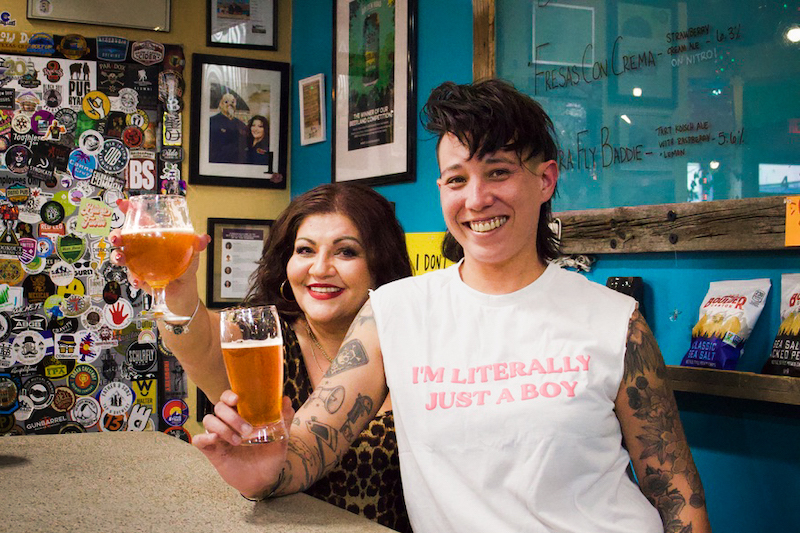
About Those Prices
You’d have to have been living underground to not notice the rising prices of, well, everything. For breweries, like all small businesses, these pressures hit especially hard.
Jessica and Rich Fierro say that when Atrevida opened eight years ago, they charged about $4 a beer. Now, that same beer goes for $8.
“Skyrocketing costs of everything over the last few years has been our biggest challenge,” says Darren Baze, director of production operations and owner of Goat Patch Brewing. “In addition to thinning our margins, everything everywhere being more expensive forces consumers to have to pick and choose more wisely where they spend their hard-earned dollars.”
Despite these rising costs, Goat Patch purchased Pikes Peak Brewing in December 2024 and opened Goat Patch Northgate in March 2025.
“The biggest challenges are rising costs, increased competition and shifting consumer habits,” Martuscello says, echoing the point. “People are going out less often and being more intentional. Breweries that adapt — through better experiences, events and a broader offering — are still finding success.”
What emerges is a picture of resilience. While the economic pressures are broad and relentless, breweries that adapt, innovate and focus on quality and experience are able to survive, even in an era of rising costs.
What Else Is on the Menu?
Another strategy helping breweries survive and thrive is offering food on site. Many local breweries have relied on rotating food trucks; it’s a prevalent model. But making it even easier and more consistent for guests to eat onsite encourages them to linger, enjoy a second (or more) beer and keep their money at the brewery.
Armillary Brewing is taking this approach seriously. Co-owner and brewer Jeff Lockhart, a 15-year veteran of Colorado’s craft beer scene, is finally opening his own brewery on April 21 after helping launch four others and brewing at several more.
For Jeff and co-owner Kristin Lockhart, having food onsite was a priority. “A family can come in, get a pizza. Mom and dad can have a beer,” Kristin says. They recall visiting some of their favorite Denver breweries — gorgeous spaces in active neighborhoods — but without food, patrons would come in for a beer and then spend their money elsewhere.
“We have also adapted our model,” Bradigan says of both Urban Animal locations. “One example is bringing in permanent food trucks…. That has allowed us to improve the guest experience, keep things fresh and stay flexible without taking on the full overhead of a traditional kitchen.”

Innovate to Survive
“While we’ve said goodbye to some long-term staples, this has made room for other existing brands to expand into new neighborhoods,” says Adelson of the Colorado Brewers Guild. “This recalibration is happening across the Front Range. As the market matures, the most efficient and community-focused breweries are actually growing their footprints.”
The breweries that are sticking around aren’t just beer experts — they’re showing up every day, caring for their guests and staying rooted in their communities. Martuscello of WestFax agrees: “The breweries that are winning are the ones creating a full experience, not just serving good beer.”
In other words, the breweries that are thriving are the kind of places even your doctor might give a nod of approval for. As Jeff Lockhart of Armillary Brewing puts it: “Go forth and drink good beer.”
So where can you find the best craft beer in Colorado Springs?
Here are our People’s Choice award winners. And here are our picks for Best Breweries in Colorado Springs.


